The Importance of Being Earnest — Wit, Identity & Wilde’s Perfect Comedy
A reader’s guide to The Importance of Being Earnest — plot, themes, wit, and why this play still sparkles today.
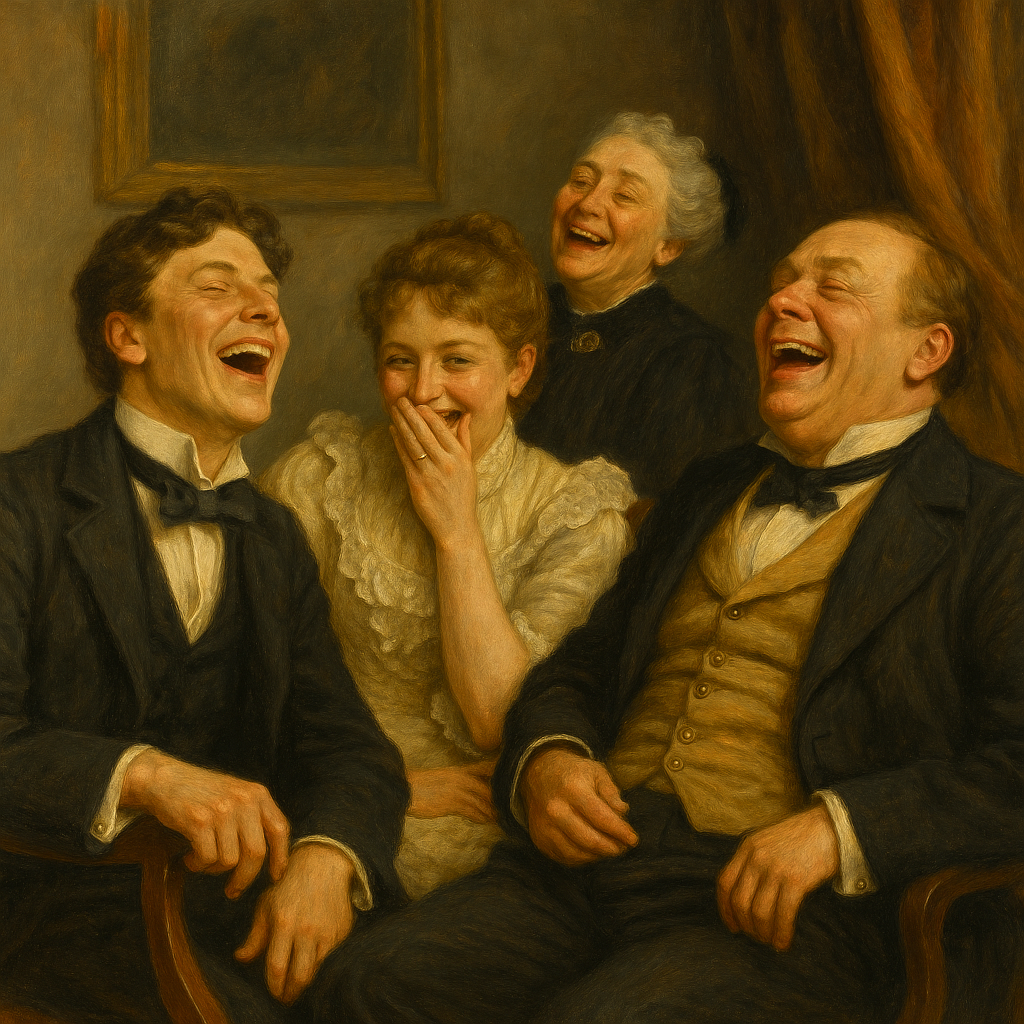
The Importance of Being Earnest is Wilde at his sharpest — a play that looks like a light, frothy comedy on the surface, but underneath is a precise, brilliant attack on Victorian seriousness, identity, and social expectations. Written in 1895, just weeks before Wilde’s life collapsed under the Queensberry scandal, Earnest remains the purest example of how Wilde reinvented humour by letting ideas misbehave.
1. A comedy built on lies — and loving it
The entire plot revolves around one simple idea: people invent identities to escape their responsibilities. Jack Worthing pretends to be “Ernest” in London so he can behave freely. Algernon invents a permanently ill friend, “Bunbury,” so he can avoid social obligations. Everyone is lying — and everyone is having a wonderful time doing it.
Wilde’s genius is that he makes deception feel not immoral, but charming. As Algernon says:
“The truth is rarely pure and never simple.”
This isn’t a warning — it’s an invitation. Wilde encourages us to laugh at the gap between who society tells us to be and who we want to be.
2. The women who outwit the men
While Earnest appears to be about the men’s double lives, it’s really Gwendolen and Cecily who drive the play forward. They fall in love with a name — “Ernest” — rather than the men themselves. It’s Wilde’s way of showing how Victorian romance is built on illusions, expectations, and beautiful nonsense.
“I pity any woman who has married a man named John.”
It’s the play’s running joke: the characters want stories, not reality.
3. Wilde’s attack on Victorian seriousness
Wilde called the play “a trivial comedy for serious people,” which is the exact reverse of Victorian values. In his world, triviality becomes deep — style becomes substance — and seriousness becomes silly. Lady Bracknell is the best example: she represents social respectability pushed to the point of absurdity.
“To lose one parent may be regarded as a misfortune; to lose both looks like carelessness.”
The joke lands because Wilde exposes how ridiculous respectable society can be when it tries too hard to be “proper.”
4. Identity as something you perform
Earnest is obsessed with names, roles, and masks. Jack only becomes “himself” when he becomes someone else. Algernon acts more like Algernon when he is pretending to be Ernest. Wilde suggests identity is theatrical — something we perform, negotiate, and sometimes abandon.
Long before we had social media profiles, Wilde understood that people curate versions of themselves.
5. Earnest as Wilde’s final act of freedom
Earnest premiered only weeks before Wilde’s arrest. It sparkled on the stage while Wilde’s enemies closed in offstage. Many readers now see the play as a final celebration of freedom before the fall — a last burst of wit before the tragedy of Queensberry, Reading Gaol, and exile.
In a way, Wilde’s characters escape the lives they dislike. Wilde himself could not.
“It is a terrible thing for a man to find out suddenly that all his life he has been speaking nothing but the truth.”
6. Why the play still sparkles today
Modern readers still connect with Earnest because it mocks everything we recognise: pretentiousness, social masks, performative romance, and the desire to reinvent ourselves. Wilde’s wit hasn’t aged — it feels modern because it mocks the same things we mock now.
- The comedy is tight and quick — like a Victorian sitcom.
- The characters are exaggerated but recognisable.
- The jokes land because Wilde hits on universal truths.
In the end, The Importance of Being Earnest is a masterclass in how to make ideas dance. Wilde gives us a world where lies are charming, seriousness is ridiculous, and being “earnest” is far less important than being yourself — whoever that might be today.
Essential Reading: Editions and Study Guides
Recommended Editions:
- The Importance of Being Earnest (Wordsworth Classics) — A popular, affordable UK edition that’s perfect for students and first-time readers who want clean, accessible text
- Complete Works of Oscar Wilde — The full Wilde experience in one volume, including all his plays, essays, and stories. Ideal for readers wanting to explore beyond Earnest into Salome, An Ideal Husband, and the fairy tales
For Students:
- The Importance of Being Earnest (York Notes) — Complete text with study notes, theme analysis, and critical context. Excellent for exam preparation or deeper understanding of Wilde’s techniques
Whether you’re reading for pleasure, studying for exams, or leading a book club discussion, these editions offer everything you need to engage deeply with Wilde’s wittiest comedy.
Explore More Wilde
To understand the world that shaped this play, discover Lady Speranza Wilde: Poet, Patriot, and Mother — the fiery Irish nationalist whose salon introduced young Oscar to wit, rebellion, and theatrical performance.
For Wilde’s other masterpiece of social satire, explore An Ideal Husband Analysis — where political corruption meets drawing-room comedy with equally devastating results.
And for the novel that shocked Victorian England while exploring beauty, corruption, and the cost of living a double life, read The Picture of Dorian Gray — A Complete Analysis.
Wilde Reflections ✒️✨
“Every story deserves a reply — even those told in wit, wounds, and Wilde.”
Share your reflection, question, or favourite line below.