The Green Carnation: Wilde, Queer Codes, and the Art of Being Noticed
How a single flower became a quiet rebellion, a private joke, and a symbol of Oscar Wilde’s glittering defiance.
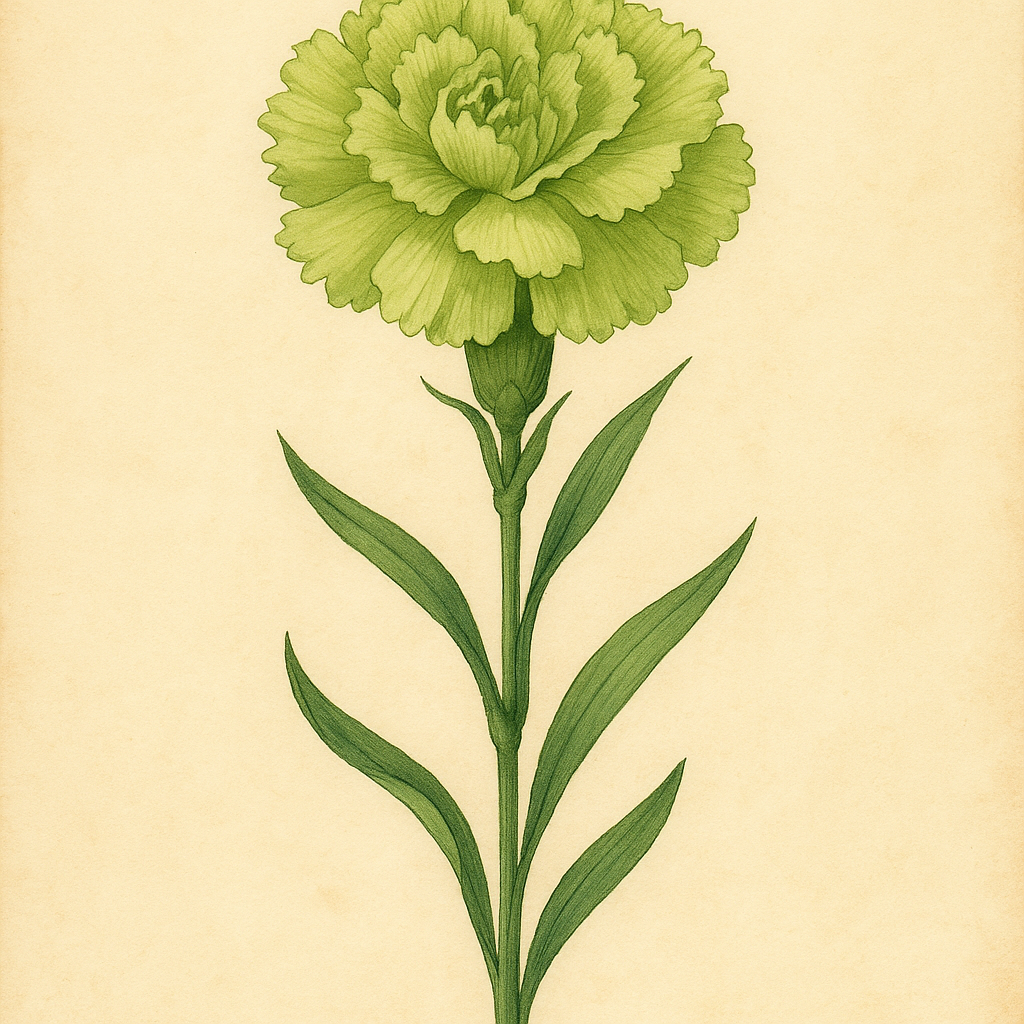
A modern reimagining of Wilde’s iconic green carnation – the quiet symbol that spoke volumes.
A small flower with loud meaning
Oscar Wilde’s green carnation is one of the most famous symbols of hidden queer identity in Victorian culture, and its story is wrapped in equal parts humour, aesthetics, and rebellion. It began in the 1890s, a decade when London society was becoming louder, faster, and increasingly theatrical—and Wilde, naturally, was at the centre of everything sparkling.
The flower wasn’t naturally green. It was artificially dyed—an absurd, witty detail that Wilde loved. At the opening night of his play Lady Windermere’s Fan, he instructed a group of his young, fashionable friends to wear one. Most people in the audience had no idea what it meant. That was the point.
Queer coding before the word existed
Victorian Britain was a world of heavy rules and stiff morality, but beneath the surface existed lively, coded subcultures. Queer men often communicated through fashion, small gestures, and shared references—signals that passed undetected by the straight world.
The green carnation quickly became one of those signals. It was not about “outing” oneself; it was about recognising others who understood the same humour, the same danger, and the same longing for beauty in a society that denied it.
Wilde never confirmed the carnation as any formal queer badge. That would have been impossible—and dangerous. But his circle understood the joke, the secrecy, and the thrill of it. The carnation became a symbol not because it announced anything loudly, but because it whispered.
Bosie and the bloom that caught fire
The flower became even more associated with Wilde because of his lover, Lord Alfred Douglas—Bosie. Bosie adored theatrical gestures, and the green carnation suited him perfectly. He wore it publicly, sometimes provocatively, and helped turn it into an emblem of Wilde’s circle.
When Wilde’s enemies and the press began searching for anything scandalous to latch onto, the carnation became an easy target. Newspapers mocked it. Moralists condemned it. Cartoonists drew Wilde surrounded by scores of green flowers, exaggerating their symbolism until they became inseparable from the image of Wilde himself.
From private joke to public accusation
The flower’s transformation from playful code to weaponised symbol reached a peak during Wilde’s trials in 1895. Witnesses and accusers referenced it as “the badge of Wilde’s immoral followers.” The irony was almost too perfect: a dyed flower, originally chosen for its silliness and style, was suddenly being treated as evidence of moral collapse.
This was Victorian paranoia at its worst—desperate to find meaning where none had been explicitly declared. The carnation, a piece of camp theatre, became a symbol the courts tried to use to destroy him.
Why the flower still matters
Today, the green carnation has become a proud symbol of queer history, literature, and resilience. It represents Wilde’s refusal to be dull or invisible, even in a world that demanded conformity. It also reflects how queer identity has often survived through creativity, wit, and subtle acts of rebellion.
To wear a green carnation now is not only to honour Wilde, but to recognise the generations of queer people who communicated in whispers and jokes, in coded gestures and small acts of flamboyance that helped them find one another.
Wilde never set out to create a queer emblem. He simply loved beauty, drama, and a clever joke. But the world around him transformed that joke into something far larger—a symbol of courage, connection, and the art of being noticed without ever needing to shout.
Wilde Reflections ✒️✨
“Every story deserves a reply — even those told in wit, wounds, and Wilde.”
Share your reflection, question, or favourite line below.