Oscar Wilde at Oxford: The Making of an Aesthete
When Oscar Wilde arrived at Oxford in 1874, he wasn’t yet the figure we picture today — the master of wit, the champion of aestheticism, the man who could command a room with a single raised eyebrow. He was clever, ambitious, awkward in flashes, and hungry for a world that matched the scale of his imagination. Oxford gave him that world. More importantly, it gave him the two teachers who would shape his mind in opposite directions: John Ruskin and Walter Pater. Oscar Wilde’s time at Oxford was crucial in the making of his aesthetic philosophy. Oscar Wilde Oxford was a pivotal chapter in his journey.
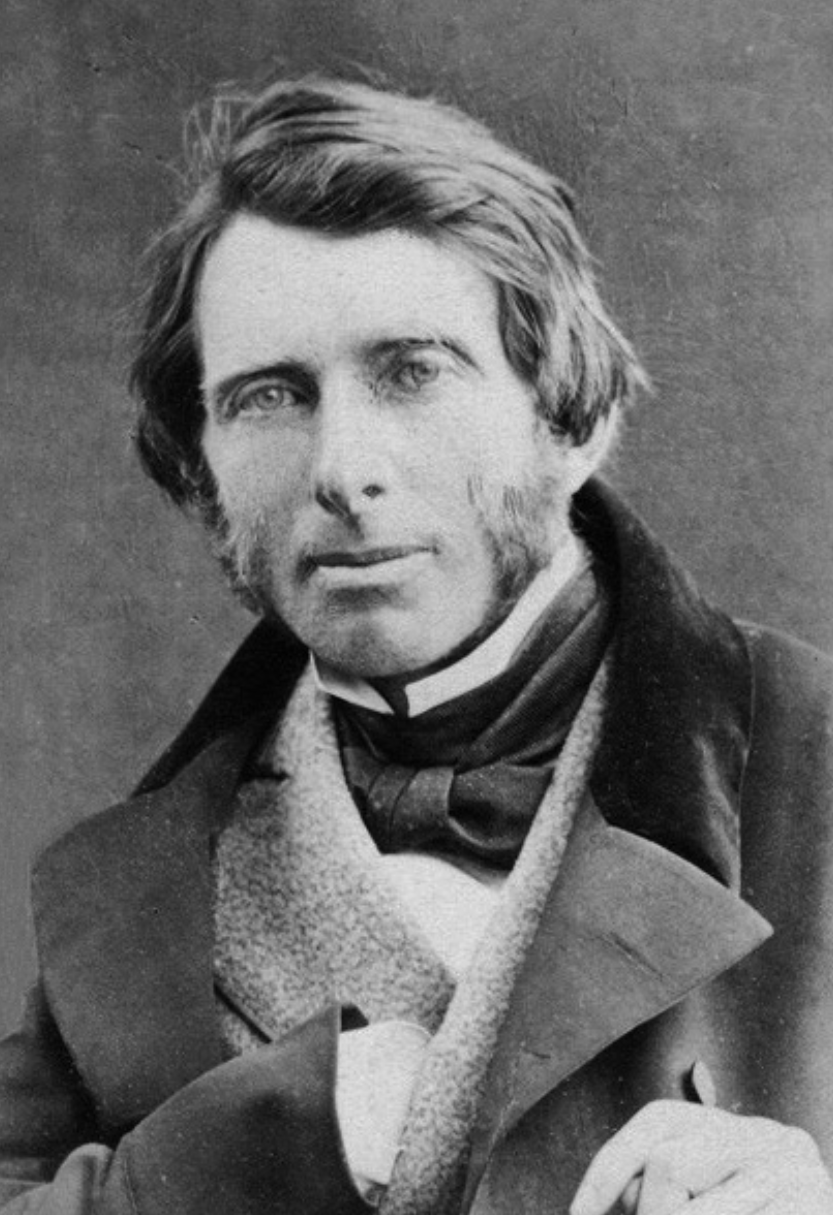
Ruskin: Beauty With a Moral Backbone
Ruskin was the first force to hit Wilde at Oxford. Students often walked into Ruskin’s lectures expecting a talk on Gothic architecture, only to be scolded about the state of English society or the moral failure of the industrial world. Ruskin believed beauty was a form of truth, and truth demanded responsibility. You couldn’t admire a cathedral without also caring about the stonemason who carved it. Wilde absorbed more of this than people think. One can imagine the young Oscar, copying down Ruskin’s thunderous pronouncements, half in admiration and half in irritation.
Ruskin didn’t just talk; he made his students work. Wilde, much to the amusement of later biographers, was once found paving a road during one of Ruskin’s compulsory labour projects. He wasn’t good at it, and he knew it, but he delighted in telling the story later. Even in that moment, he was learning something essential: beauty might be transcendent, but life was inconveniently practical.
Pater: The Art of Living Beautifully
Then came Walter Pater. If Ruskin lit the fire, Pater gave Wilde permission to let it burn. Pater’s writing was calm, precise, and quietly revolutionary. He spoke of art for art’s sake, of cultivating one’s own impressions, of living life as if it were an artistic experience. For Wilde, this was oxygen. Here was a man saying what Wilde had always suspected: beauty didn’t need a justification. It could stand alone.
Pater’s influence moved differently through Oxford. While Ruskin preached, Pater whispered. His students found themselves questioning not only what beauty meant, but how one should live. Wilde later admitted that Pater’s conclusion to The Renaissance had “left an indelible mark upon my life.” One can almost see him leaving Pater’s rooms, slightly dazed, realising that art might be the answer to a question he hadn’t yet formed.
The Tension That Made Him
The remarkable thing is that Wilde didn’t choose between Ruskin and Pater. He took both. Ruskin gave him conscience; Pater gave him style. Ruskin demanded effort; Pater offered pleasure. Wilde fused these competing visions into the aesthetic philosophy that would later define him: beauty mattered, yes, but beauty also revealed something about the society that produced it.
This tension — moral seriousness wrapped in artistic play — runs through everything Wilde wrote. You see it in Dorian Gray, in the paradoxes of his essays, even in his public persona. He looked like a man who never worked, but his wit was held up by the scaffolding Ruskin forced into him.
Oxford Life: China, Peacock Feathers, and a Young Genius
Of course, Wilde wasn’t only studying. He was becoming Wilde. His rooms were famous even while he still lived in them. Blue china everywhere. Sunflowers. Japanese prints. Peacock feathers arranged with mathematical care — the kind of thing that scandalised practical-minded undergraduates and delighted the small circle of aesthetes gathering around him.
He won the Newdigate Prize for his poem Ravenna, gave sparkling dinner conversations that people repeated for days, and developed the talent that would later become his superpower: turning daily life into performance. Oxford wasn’t just a university; it was his first stage.
Greek Philosophy and the Shape of His Mind
Wilde’s degree in Greats (a double first, no small feat) shaped him as much as his mentors. He read Plato with the fervour of a convert and took from the Greeks the idea that philosophy, art, and life were part of the same project. Nothing was separate. Everything influenced everything else. Beauty wasn’t decoration; it was an argument.
It’s fascinating to consider how naturally Wilde blended Greek idealism with Pater’s impressionism and Ruskin’s moralism. The blend seems obvious now, but only because he did it first — and so well that people assume the pieces were always meant to fit.
Oxford to Eternity
When Wilde left Oxford in 1878, he wasn’t yet famous, but he was unmistakably himself. His voice, his aesthetic philosophy, and his lifelong devotion to beauty were fully formed. The seeds of every later triumph — and every later tragedy — were already there.
Oxford didn’t give Wilde his genius, but it gave him his direction. It sharpened him. It refined him. It put Ruskin on one shoulder and Pater on the other, and he spent the rest of his life trying to satisfy both.
Looking back, one realises that Wilde didn’t simply pass through Oxford. He remade it in his image. The Aesthetic Movement that swept through Britain in the 1880s owes as much to the young man arranging peacock feathers in his college rooms as it does to any theorist. His Oxford years, filled with experiences and influences, didn’t just build an aesthete; they built a legend. Oscar Wilde Oxford was not just a passage but a transformation.
✒️ ✨ Wilde Reflections
“Every story deserves a reply — even those told in wit, wounds, and Wilde.”
Share your reflection, question, or favourite line below.